
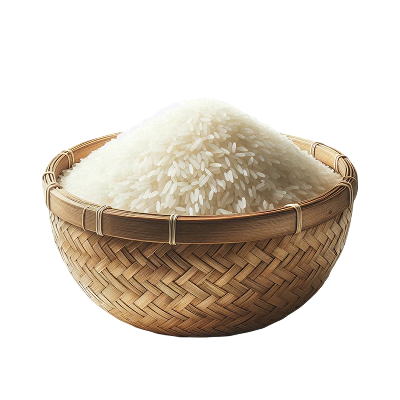
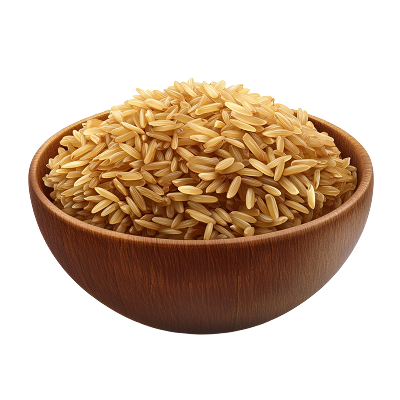
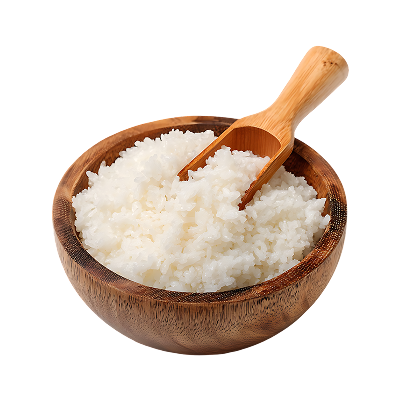
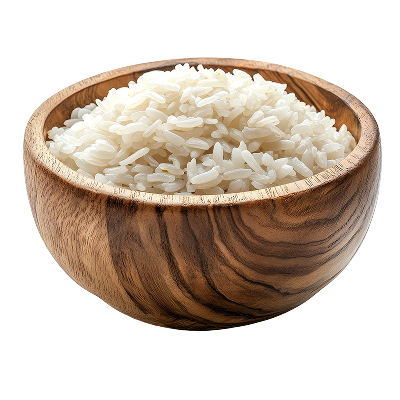
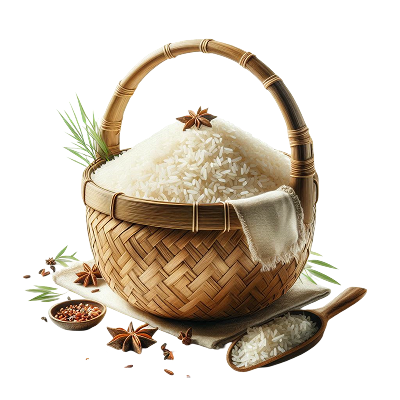
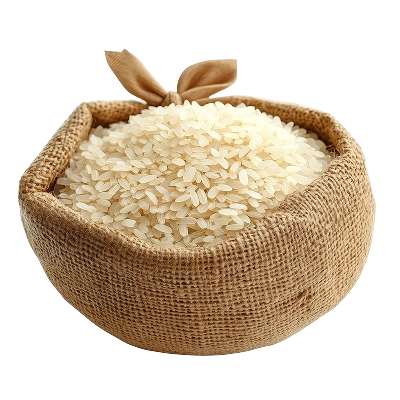
Rice is a cereal grain that serves as a staple food for more than half of the world’s population. It is the seed of the grass species Oryza sativa and has been cultivated for thousands of years, particularly in Asia, where it has played a central role in culture, cuisine, and economy. As a primary source of carbohydrates, rice provides energy for billions of people worldwide. Its versatility makes it an essential ingredient in a vast array of dishes, from everyday meals to ceremonial feasts.
Rice cultivation dates back thousands of years. Archaeological evidence suggests that rice was first domesticated in the Yangtze River valley in China over 10,000 years ago. From there, it spread to Southeast Asia, the Indian subcontinent, and eventually other parts of the world. Ancient texts from China, India, and Egypt reference rice both as a food and as a commodity for trade.
Rice is produced mainly in Asia, with China, India, Indonesia, Bangladesh, and Thailand being the largest producers. It is also a major export commodity, with countries like Thailand and Vietnam exporting high-quality aromatic rice globally.
Nutritional Value
- Protein: Though modest, rice contains essential amino acids.
- Vitamins: B-complex vitamins (thiamine, niacin, riboflavin).
- Minerals: Iron, magnesium, phosphorus, and manganese.
- Fiber: Especially in brown and unpolished rice, aiding digestion.
- Antioxidants: Present in pigmented varieties, contributing to overall health.
In Asia, rice has historically been more than a food crop; it has been a symbol of fertility, prosperity, and life. Festivals, rituals, and ceremonies often revolve around rice planting and harvesting. In Japan, the ritual of planting rice paddies involves traditional practices passed down through generations, showing the cultural importance of this crop.
Rice cultivation impacts water usage, soil fertility, and greenhouse gas emissions. Modern farming practices aim to improve yield while reducing environmental impact, including precision irrigation and sustainable fertilization techniques.
Rice requires warm temperatures, abundant water, and fertile soil for optimal growth. Traditionally, rice is cultivated in flooded fields called paddies, which provide water control and reduce weed growth.