
Black-eyed beans, also known as black-eyed peas, are a type of legume characterized by their creamy white color and distinctive black “eye” at the center. They belong to the cowpea family (Vigna unguiculata) and are widely cultivated in Africa, Asia, and the southern United States. Black-eyed beans are highly nutritious, offering a rich source of plant-based protein, dietary fiber, vitamins, and minerals.
These beans have a slightly nutty flavor and soft texture when cooked, making them versatile for a variety of dishes, including soups, stews, salads, and traditional recipes like Hoppin’ John in the southern U.S. or akara in West Africa. They are often soaked before cooking to reduce cooking time and improve digestibility.
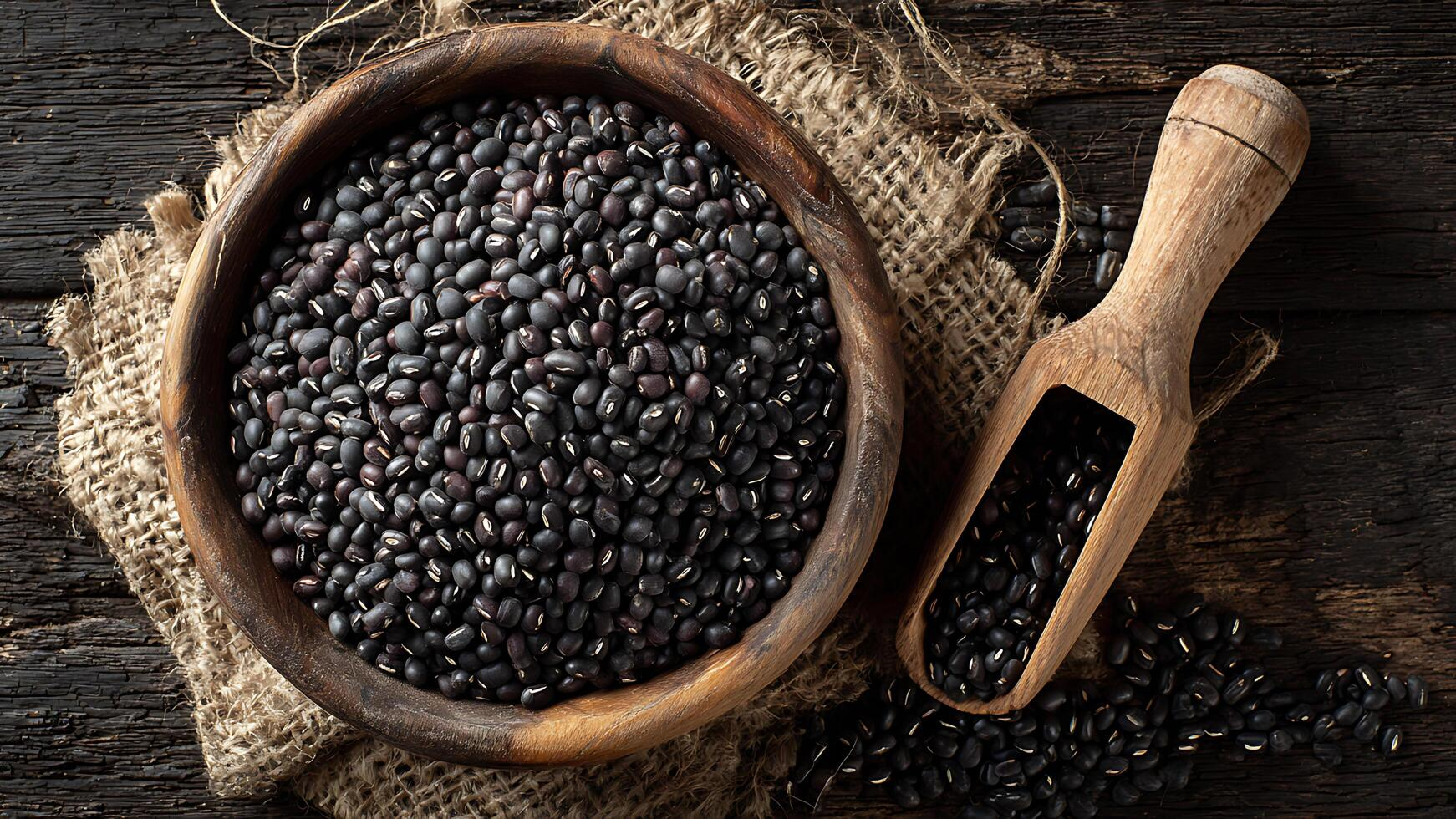
Black-eyed beans are a staple in many vegetarian and vegan diets due to their high protein content and ability to complement grains, vegetables, and legumes in balanced meals. They are also low in fat and cholesterol-free, making them a heart-healthy choice.
Black-eyed beans, also called black-eyed peas, are small, oval-shaped legumes with a creamy-white color and a distinctive black spot or “eye” at one end. They are a highly nutritious legume and a dietary staple in many parts of Africa, Asia, and the southern United States. Known for their mild, slightly nutty flavor and tender texture, they are versatile in both traditional and modern recipes.
High in Protein – Excellent plant-based protein source for vegetarians and vegans.
Rich in Dietary Fiber – Supports digestion and helps maintain healthy bowel movements.
Supports Heart Health – Low in fat and cholesterol, helps maintain healthy cholesterol levels.
Regulates Blood Sugar – High fiber and complex carbohydrates aid in controlling blood sugar levels.
Rich in Vitamins and Minerals – Contains iron, folate, magnesium, and potassium.
Weight Management – Fiber and protein promote satiety and reduce overeating.