
Spices are aromatic substances derived from various parts of plants, including seeds, bark, roots, fruits, and flowers. They have been used for thousands of years not only to enhance the flavor and aroma of food but also for their medicinal, preservative, and ceremonial properties.
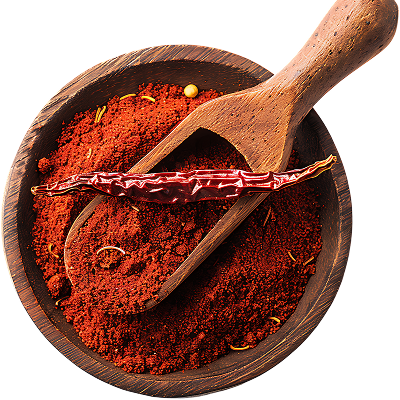
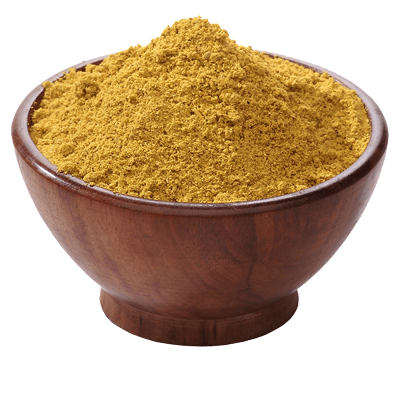
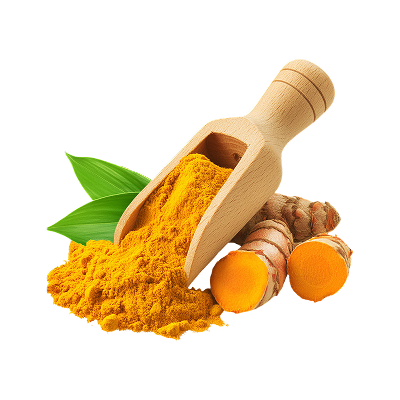
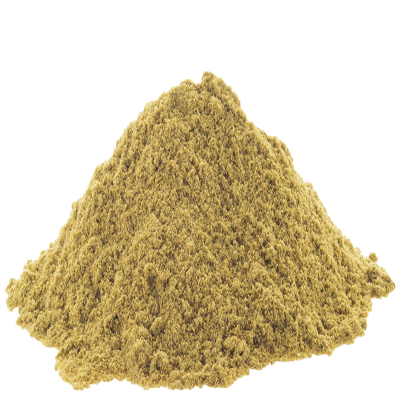
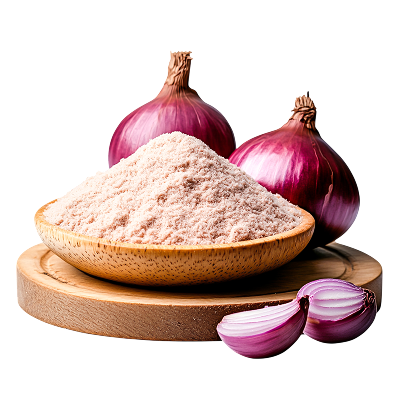
Spices originate from diverse plants such as chili peppers, cumin, turmeric, coriander, garlic, and onions. Each spice offers unique flavors—ranging from hot and pungent to warm and earthy—that enrich culinary creations around the world. For example, red chili powder adds heat and vibrancy to dishes, while turmeric powder imparts a distinctive golden color and subtle bitterness. Cumin (jeera) has a nutty, peppery flavor widely used in Indian, Middle Eastern, and Latin American cooking.
In addition to their culinary uses, many spices possess health benefits. Turmeric contains curcumin, a compound with anti-inflammatory and antioxidant properties. Garlic is known for its potential cardiovascular benefits and immune support. Coriander seeds have digestive properties and are used in traditional remedies.
Normal and Abnormal Spices:
- Red Chili Powder: Bright red, pungent aroma, free from moisture or clumps.
- Turmeric Powder: Vibrant yellow-orange, earthy smell, dry and fine texture.
- Coriander Powder: Off smell, low flavor, may contain sand or foreign matter.
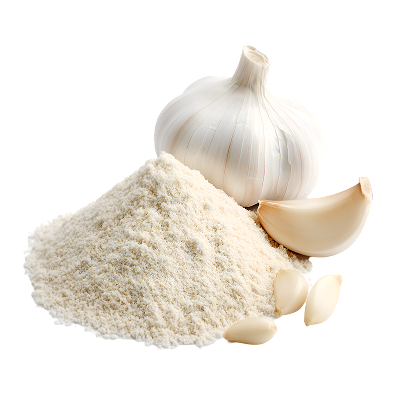
- Garlic Powder: Foul odor, damp or lumpy, may contain impurities.
- Cloves: Broken or powdery, musty smell, loss of flavor.
Spices have also played a significant role in history as valuable trade commodities. The ancient spice trade routes connected Asia, Europe, and Africa, influencing exploration, cultural exchanges, and economic development.
spices continue to be cultivated worldwide, with major producers including India, Indonesia, Vietnam, and Sri Lanka. They are harvested, dried, and processed in various forms such as powders, whole seeds, or pastes. Proper storage in airtight containers away from light and moisture helps preserve their flavor and potency.
Spices remain an essential part of cooking, offering endless possibilities for experimentation and flavor enhancement. From everyday meals to festive dishes, spices bring complexity, warmth, and character, connecting people to traditions and cultures across the globe.