
Green moong, also known as green gram or mung beans (Vigna radiata), is a small, green-colored legume widely cultivated in Asia. It is highly valued for its nutritional profile, easy digestibility, and versatility in cooking. Green moong is rich in protein, dietary fiber, vitamins, and minerals, making it an essential ingredient in vegetarian and vegan diets.
Green moong can be consumed in several forms: whole, split (moong dal), or sprouted. Sprouted green moong is particularly popular for its enhanced nutritional content and digestibility. It has a mild, slightly sweet flavor and soft texture when cooked, which allows it to be used in soups, stews, salads, porridges, and desserts. Green moong is also used in traditional Indian recipes such as khichdi, dal, and pancakes (cheela).
Its small size, short cooking time, and high nutrient density make green moong a favorite among health-conscious individuals. It is also considered light on the digestive system, making it suitable for children, elderly people, and those recovering from illness.
Green moong is a highly versatile, nutrient-dense legume that supports digestion, heart health, blood sugar regulation, and overall wellness. Its multiple forms—whole, split, or sprouted—allow it to be used in a wide variety of culinary applications.
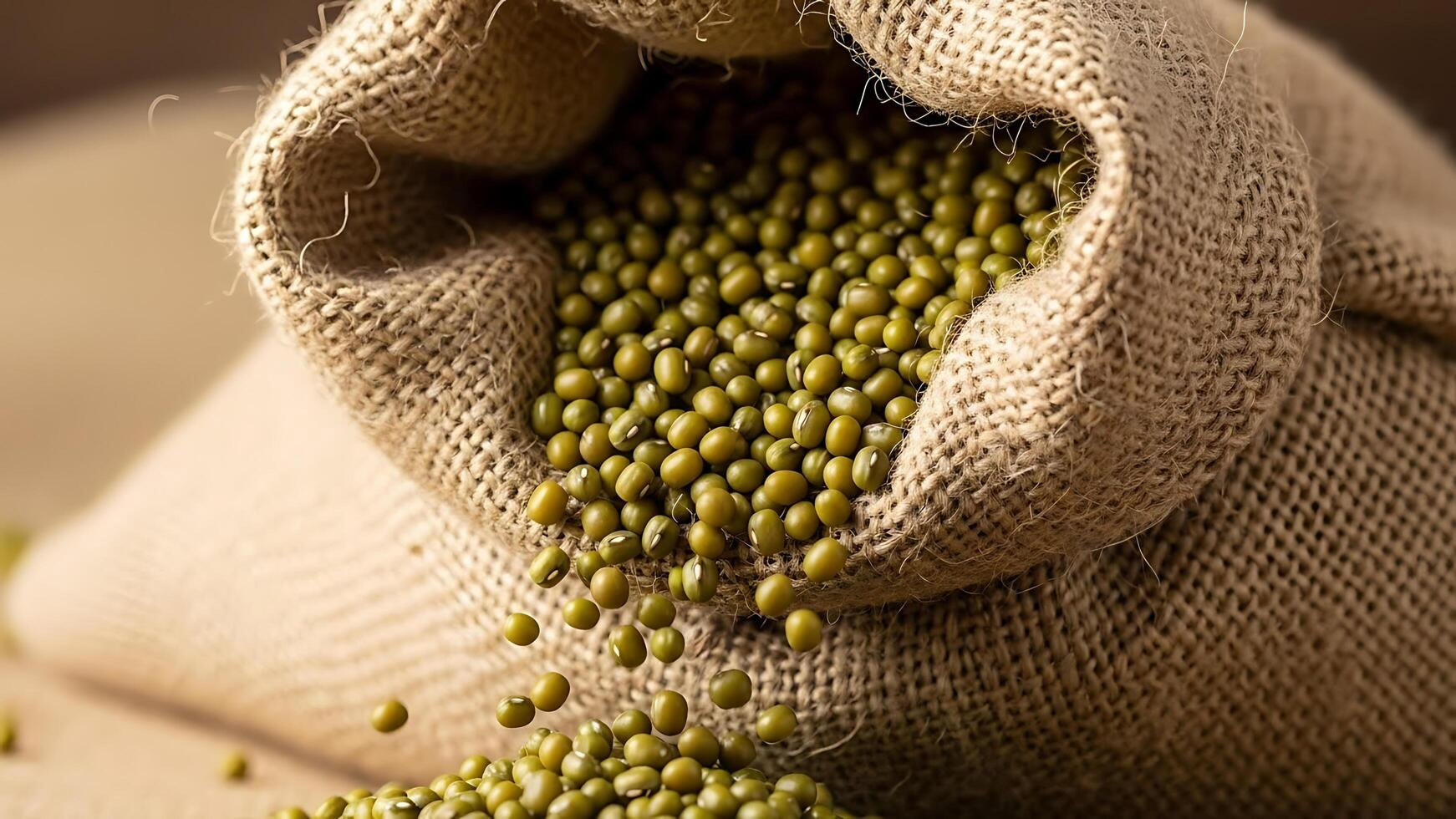
Green Moong – Benefits
- High in Protein – Supports muscle growth and tissue repair.
- Rich in Dietary Fiber – Promotes digestion and prevents constipation.
- Supports Heart Health – Lowers cholesterol and maintains healthy blood pressure.
- Regulates Blood Sugar – Low glycemic index helps manage diabetes.
- Weight Management – Fiber and protein enhance satiety and reduce overeating.
Green moong, also known as mung beans, is a highly nutritious legume cultivated extensively across Asia, particularly in India, China, and Southeast Asia. It is one of the oldest cultivated legumes and has been valued for thousands of years for its high protein content, digestibility, and versatility in cooking. Green moong is small, oval-shaped, and bright green, with a mild, slightly sweet flavor.
Green moong can be used in multiple forms: whole beans, split beans (moong dal), or sprouted beans. Sprouting green moong enhances its nutritional profile by increasing the levels of protein, vitamins, antioxidants, and digestive enzymes, making it even healthier. This legume is highly adaptable and can be used in savory dishes, desserts, porridges, salads, and fermented foods.
Its high protein content makes green moong an excellent ingredient for vegetarians and vegans, as it provides a plant-based alternative to meat. It is also rich in dietary fiber, complex carbohydrates, essential vitamins (like folate and B vitamins), and minerals (such as magnesium, potassium, and iron), supporting overall health and wellness.
Green moong is light on the digestive system, making it ideal for children, elderly people, and those recovering from illness. It is commonly used in Indian, Southeast Asian, and Middle Eastern cuisines to prepare dal, khichdi, sprouts salads, moong cheela (savory pancakes), and desserts like moong dal halwa. Its mild flavor allows it to absorb spices, herbs, and seasonings, making it highly versatile in cooking.