
Boiled rice is rice that has been cooked in water or steam until it becomes soft, tender, and ready to eat. It is one of the most common and versatile ways to prepare rice and can be made from any variety, including white rice, basmati rice, brown rice, or long-grain rice. Boiled rice is a staple food in many cultures around the world due to its simplicity, neutral flavor, and ability to complement a wide range of dishes.
The process of boiling rice involves immersing the grains in water, allowing them to absorb moisture and swell while releasing starch, which gives the rice its soft texture. Boiled rice can be made plain for use as a side dish, or it can be cooked with a little salt or aromatic spices to enhance flavor. It is often used as a base for curries, gravies, stir-fries, and stews, as well as for rice salads and casseroles.
Boiled rice is easy to digest and is suitable for people of all ages, including children, elderly individuals, and those recovering from illness. It provides a quick source of carbohydrates for energy and is often included in balanced meals to complement proteins and vegetables. Depending on the type of rice used, boiled rice may also provide essential nutrients such as B vitamins, iron, and fiber, particularly if brown rice or whole-grain varieties are used.
Because boiled rice is neutral in taste, it pairs well with both savory and sweet preparations. It is commonly served with curries, soups, sauces, beans, lentils, and vegetables, or used in recipes like fried rice, rice pudding, and stuffed vegetables. Boiled rice is also convenient for meal prepping, as it can be cooked in large quantities and stored for later use, making it an ideal staple for households and food service operations.
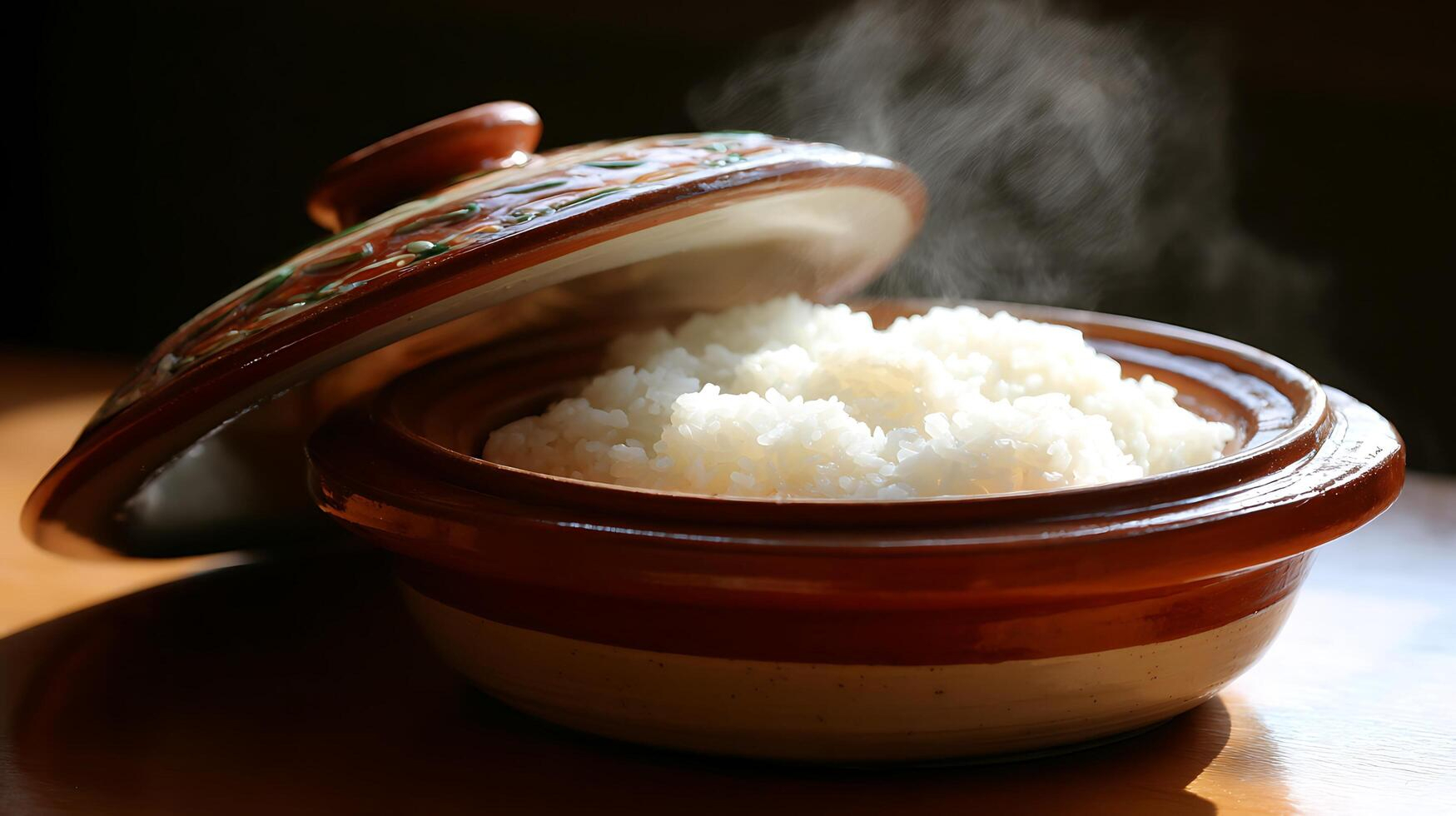
Boiled rice can be cooked plain or with subtle seasonings like salt, turmeric, or aromatic herbs to enhance its flavor without overpowering other ingredients. In many households, it serves as a neutral base for curries, gravies, and vegetable dishes, allowing the flavors of accompanying foods to shine. It is also widely used in meal-prep plans, as large batches can be cooked in advance, refrigerated, and reheated when needed.
Nutritionally, boiled rice is a good source of energy because of its carbohydrate content. When prepared with whole-grain or brown rice, it retains fiber, B vitamins, and essential minerals, which support digestion, metabolism, and overall health. Boiled rice is low in fat, making it suitable for light meals and weight-conscious diets. It is also naturally gluten-free, which makes it safe for people with celiac disease or gluten intolerance.
In addition to being a staple in everyday meals, boiled rice has cultural and ceremonial significance in many parts of the world. It is often served during festivals, religious ceremonies, and family gatherings as a symbol of prosperity and sustenance. Its plain texture and mild flavor make it an adaptable ingredient, whether for savory meals, sweet dishes like rice pudding, or fusion recipes such as rice bowls and stir-fries.
Boiled rice is also ideal for digestive health because it is easy to chew and digest, making it suitable for children, elderly individuals, and people recovering from illness. Its versatility and nutritional benefits make it a cornerstone of balanced meals, providing a neutral base that complements proteins, vegetables, sauces, and spices.