
Jasmine rice is a long-grain aromatic rice variety originally from Thailand, known for its delicate floral fragrance and soft, slightly sticky texture when cooked. Its name comes from the subtle, natural aroma reminiscent of jasmine flowers, which makes it a popular choice for both everyday meals and special dishes. Jasmine rice is often used in Southeast Asian cuisines, including Thai, Vietnamese, and Cambodian cooking, and pairs perfectly with stir-fries, curries, grilled meats, and seafood.
The grains of jasmine rice are naturally soft and slightly sticky after cooking, which allows them to clump gently without becoming mushy. This makes it ideal for dishes where a tender, cohesive texture is desired, such as fried rice, rice salads, and rice-based side dishes. Jasmine rice is available in both white and brown varieties, with brown jasmine rice retaining the bran and germ, offering higher fiber content, vitamins, and minerals.
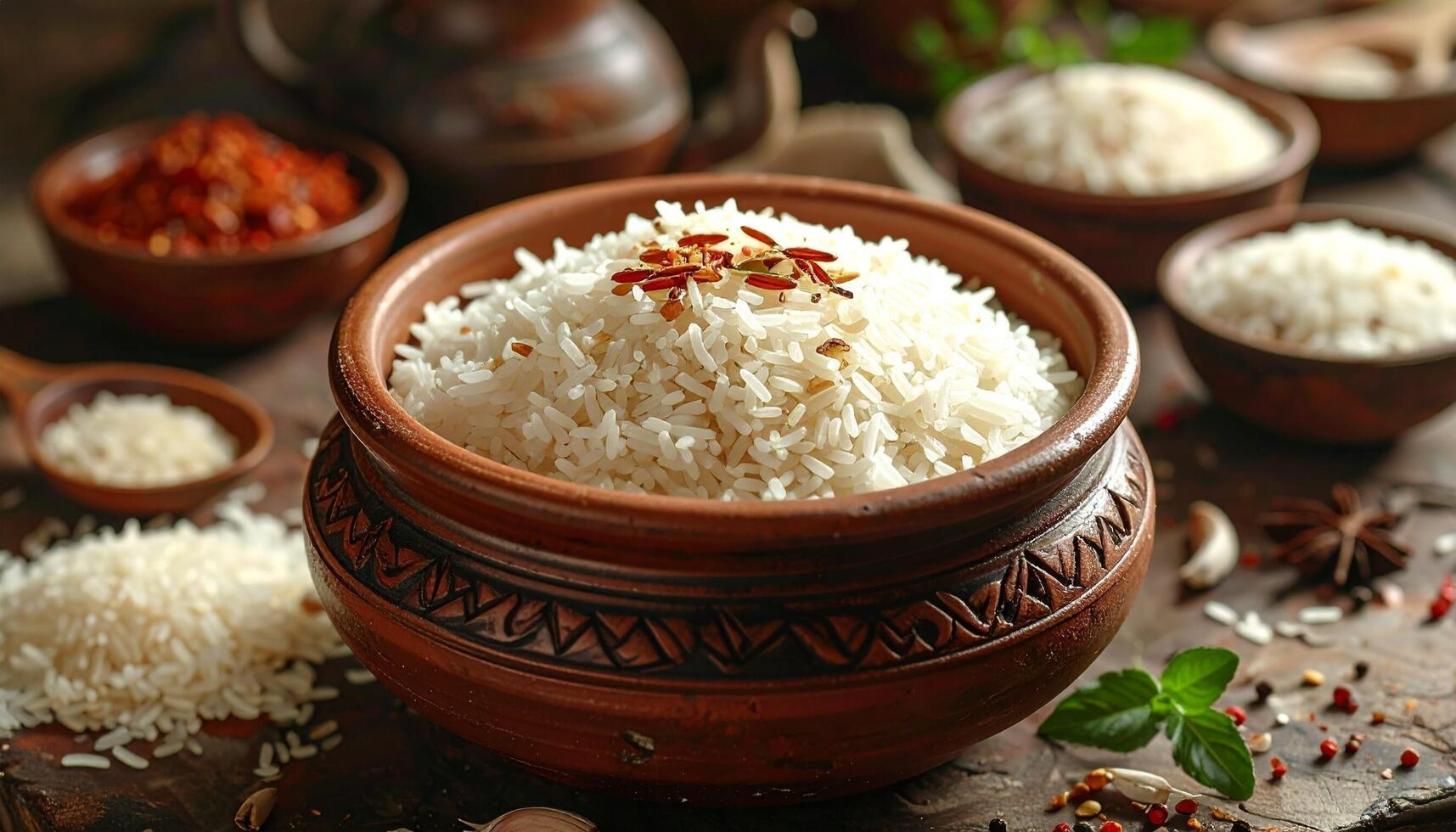
Jasmine rice is prized not only for its aroma and texture but also for its versatility. It can be steamed, boiled, or cooked in rice cookers and pairs well with a variety of flavors, from mild vegetables to rich, spicy sauces. Its lightly sweet and nutty flavor makes it an excellent complement to herbs, coconut milk, and aromatic spices, making it a staple in many Asian-inspired recipes.
Nutritionally, jasmine rice is a good source of energy due to its carbohydrate content and is naturally low in fat and sodium. Brown jasmine rice provides additional fiber and nutrients, supporting digestion and overall health. Its easy-to-digest nature makes it suitable for people of all ages, including children and elderly individuals.
Jasmine rice is also celebrated for its ability to enhance the dining experience through its fragrance, tenderness, and flavor, elevating simple meals into aromatic and comforting dishes. It is a versatile grain that fits both traditional and contemporary recipes, making it a favorite choice for home cooks and professional chefs alike.
Supports Weight Management: Its complex carbohydrates and fiber (in brown jasmine rice) promote satiety, helping reduce overeating.
Versatile for Healthy Cooking : Can be paired with vegetables, lean proteins, and legumes to
Supports Heart Health: Naturally low in fat and sodium, jasmine rice can be part of a heart-friendly diet.
Gluten-Free: Jasmine rice is naturally gluten-free, suitable for people with celiac disease or gluten intolerance.