
Idli rice is a special variety of short-grain rice commonly used in South Indian cuisine for making idlis, a type of steamed rice cake. It is usually a medium or short-grain rice that becomes soft, sticky, and slightly sticky when soaked and ground into a batter. This property allows it to ferment well when mixed with urad dal (split black gram), creating the light, fluffy texture that is characteristic of well-made idlis.
Idli rice is prized for its ability to absorb water evenly, allowing for consistent fermentation. It is softer and starchier than regular long-grain rice, which helps create a smooth batter and a delicate spongy texture after steaming. While white idli rice is most commonly used, some variations also use parboiled or brown idli rice to add nutritional value.
Because idli rice is easily digestible and low in fat, it is ideal for breakfast, light meals, or for individuals with sensitive digestion, including children and elderly people. It forms the basis of not just idlis but also other South Indian delicacies like dosa, pesarattu, and certain steamed rice snacks.
Idli rice is a type of short- to medium-grain rice specifically cultivated or selected for making fermented South Indian dishes like idli and dosa. Its high starch content and soft texture make it ideal for soaking, grinding, and fermenting with urad dal to produce a smooth, airy batter. The rice grains absorb water evenly and release starch, which helps in achieving the signature spongy texture of idlis and the crispiness of dosas.
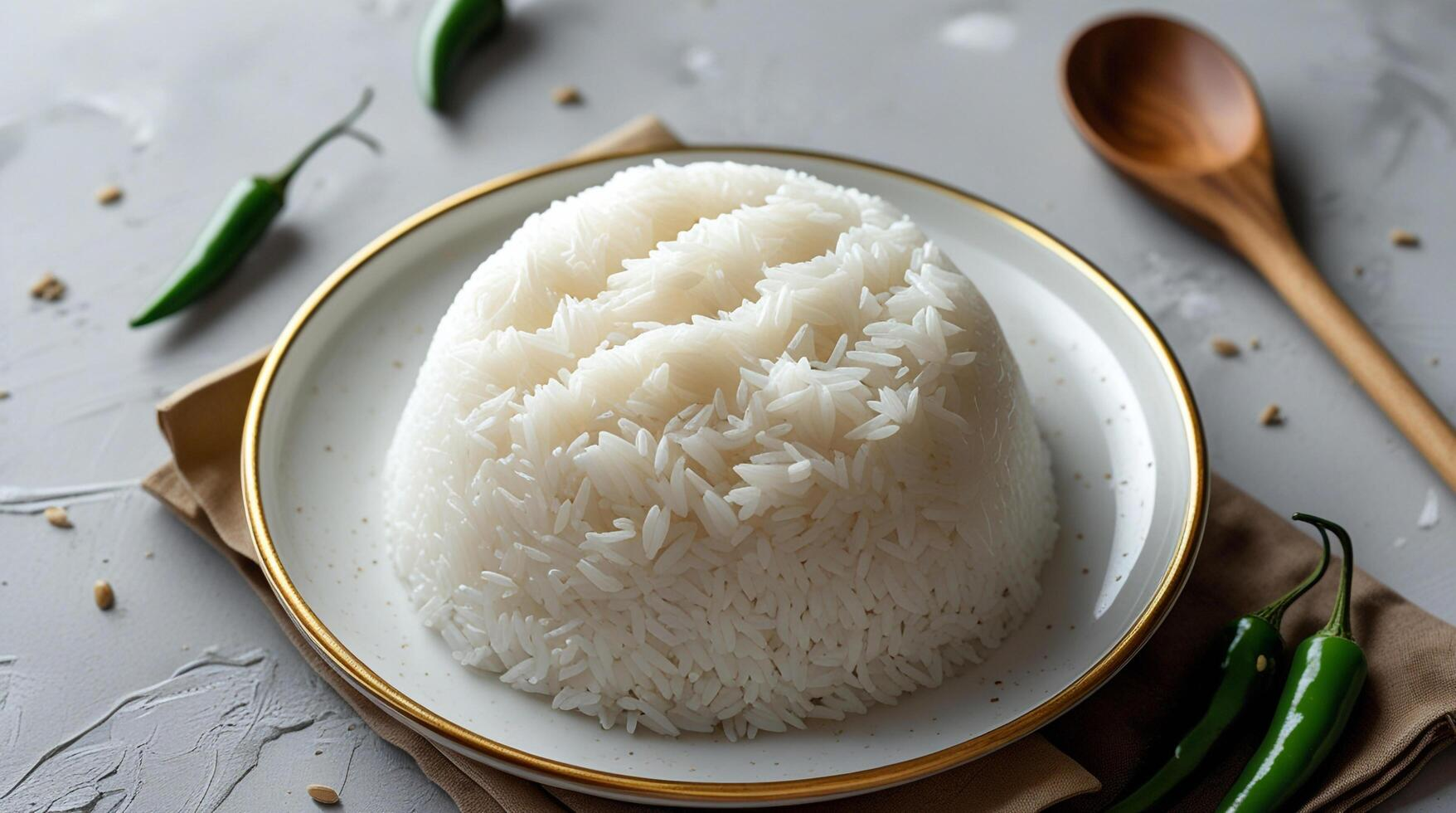
Idli Rice – Extended Uses:
- Steamed Idlis – Soft and fluffy cakes served with chutney and sambar
- Dosas – Thin, crispy fermented pancakes
- Pesarattu – Green gram-based fermented pancakes
- Fermented Rice Batters – Base for nutritious breakfast items
- Idli Upma – Stir-fried leftover idlis with spices and vegetables
Traditionally, idli rice is preferred over regular long-grain or basmati rice for fermentation purposes because it allows the batter to rise well during fermentation, producing light and fluffy idlis. Some regions also use parboiled idli rice, which has undergone partial boiling in the husk to retain more nutrients while still giving good fermentation results.
Idli rice is highly digestible and is an excellent breakfast option for people of all ages. It pairs with protein-rich urad dal during fermentation, which enhances its nutritional profile. The fermentation process also produces natural probiotics that improve gut health, aid digestion, and boost immunity.
Beyond traditional idlis and dosas, idli rice can also be used to prepare other South Indian delicacies such as steamed rice cakes, mini savory snacks, rice puddings, or even innovative fusion recipes. Its mild flavor and soft texture make it highly versatile in cooking.
Idli rice is an essential ingredient in South Indian kitchens due to its digestibility, fermentation-friendly properties, and versatility. Its ability to create soft, spongy idlis and crispy dosas, along with its nutritional value and easy preparation, makes it indispensable for traditional meals and modern culinary experiments.