
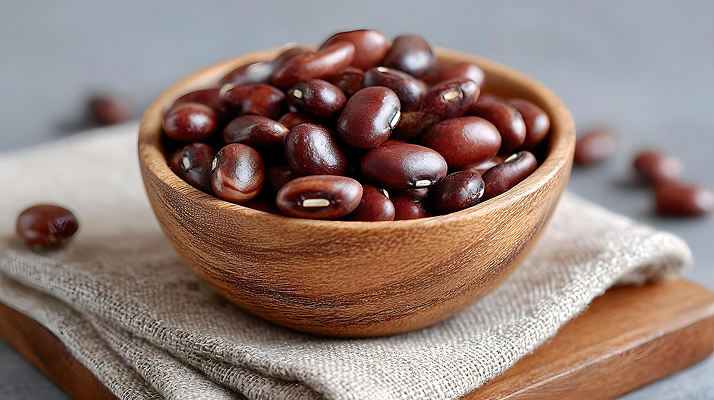
Rajma, commonly known as kidney beans, is a popular legume in Indian cuisine and across the world. Named for its kidney-like shape, rajma is typically deep red in color and belongs to the species Phaseolus vulgaris. It is a highly nutritious legume, rich in plant-based protein, dietary fiber, vitamins, and minerals. Rajma is especially known for its hearty texture and ability to absorb flavors, making it ideal for curries, stews, and soups.
Rajma is widely used in Indian households, often cooked as Rajma Masala, a spicy and flavorful curry served with rice or roti. The beans are usually soaked overnight before cooking to reduce cooking time and improve digestibility. Rajma can also be used in salads, soups, and fusion recipes such as wraps, bean burgers, and chili.
Nutritionally, rajma is an excellent source of protein, particularly for vegetarians and vegans. It is high in dietary fiber, which supports digestive health and helps regulate blood sugar levels. Rajma also contains essential minerals such as iron, magnesium, potassium, and folate, which contribute to energy production, heart health, and overall wellness. Additionally, it is naturally gluten-free and low in fat, making it suitable for heart-friendly diets.
Rajma is a nutrient-dense, protein-rich, and versatile legume that supports digestion, heart health, blood sugar control, and overall wellness. Its hearty texture and ability to absorb flavors make it a staple in Indian cuisine and a popular ingredient worldwide.
- Rajma Masala – Classic Indian curry served with steamed rice or roti.
- Soups and Stews – Adds protein, flavor, and texture.
- Salads – Boiled rajma enhances protein content in grain and vegetable salads.
- Wraps and Sandwiches – Mashed or whole rajma for vegetarian wraps or sandwiches.
- Chili and Casseroles – Incorporated into Indian, Mexican, and fusion dishes.
The beans are usually soaked in water for several hours or overnight before cooking. This softens the beans, reduces cooking time, and improves digestibility. Once cooked, rajma develops a soft texture while retaining its shape, which makes it ideal for curries and slow-cooked dishes. Its ability to absorb spices and flavors makes it a favorite ingredient in flavorful Indian dishes like Rajma Masala, as well as global recipes like chili and bean stews.
Rajma, or kidney beans, are medium-sized legumes shaped like kidneys, typically dark red in color, though lighter red and speckled varieties also exist. They are widely cultivated across India, Latin America, and parts of Africa, and are a staple in vegetarian and vegan diets due to their high protein content. Rajma is a highly versatile legume that can be incorporated into a wide variety of dishes, from traditional Indian curries to fusion dishes like bean burgers, soups, stews, and salads.
Nutritionally, rajma is rich in plant-based protein, making it an important source of protein for vegetarians and vegans. It is also high in dietary fiber, which supports digestive health, helps maintain a healthy weight, and aids in regulating blood sugar levels. Rajma is packed with essential minerals like iron, magnesium, potassium, and folate, which contribute to energy production, cardiovascular health, and overall wellness. The beans are low in fat, gluten-free, and cholesterol-free, making them heart-friendly and suitable for a variety of diets.
Rajma is also beneficial for maintaining gut health, providing long-lasting energy, and supporting brain function. Its rich content of antioxidants and micronutrients helps boost immunity, protect cells from oxidative stress, and promote overall vitality. Due to its versatility, rajma can be adapted to various cuisines, including Indian, Mexican, Mediterranean, and fusion dishes, making it an essential pantry staple for health-conscious individuals.