
Black Urad Dal, also known as whole black gram (Vigna mungo), is a small, shiny black legume with a creamy white interior. It is widely grown in India, Pakistan, and other parts of South Asia and is a staple in many traditional Indian dishes. Black Urad Dal is highly valued for its rich protein content, dietary fiber, vitamins, and minerals, making it an essential part of vegetarian and vegan diets.
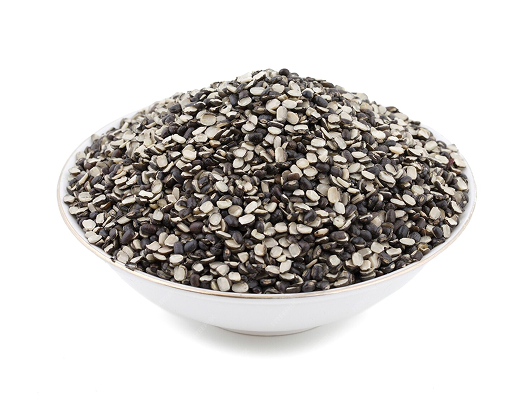
The dal can be consumed in its whole form (with skin) or split (removing the outer black skin). Whole black urad dal is often used in slow-cooked curries, while split urad dal (white interior) is used to make dals, batters for idli, dosa, and vadas. Its firm texture and slightly earthy flavor allow it to absorb spices and seasonings well, making it versatile for both savory and fermented dishes.
Nutritionally, Black Urad Dal is an excellent source of plant-based protein, complex carbohydrates, and dietary fiber. It is also rich in essential minerals such as iron, magnesium, calcium, and potassium, and contains B vitamins like folate and niacin. Being low in fat and gluten-free, it is ideal for heart-healthy and gluten-free diets. Its high fiber content supports digestion, improves gut health, and helps regulate blood sugar levels.
Black Urad Dal is a nutrient-rich, protein-packed, and versatile legume that supports digestion, heart health, blood sugar regulation, and overall wellness. Its firm texture, earthy flavor, and culinary flexibility make it a staple in Indian cuisine and a valuable ingredient in global dishes.
- High in Protein – Supports muscle growth, tissue repair, and overall health.
- Rich in Dietary Fiber – Promotes digestive health and prevents constipation.
- Supports Heart Health – Helps maintain cholesterol and blood pressure levels.
- Blood Sugar Regulation – Low glycemic index makes it suitable for diabetics.
- Weight Management – Fiber and protein increase satiety, reducing overeating.
The dal is available in two main forms: whole black urad dal with its skin intact, and split urad dal, where the black outer skin is removed, revealing the white inner portion. Whole black urad dal is firm and ideal for slow-cooked curries, while split urad dal is commonly used to prepare dals, batters for idli and dosa, and vadas. The dal’s slightly earthy flavor allows it to absorb spices and seasonings, enhancing its versatility in various recipes.
Nutritionally, Black Urad Dal is an excellent source of plant-based protein, complex carbohydrates, and dietary fiber, making it suitable for vegetarians, vegans, and health-conscious individuals. It is rich in essential minerals like iron, magnesium, calcium, and potassium, and contains B vitamins such as folate and niacin, which support energy production, cognitive health, and metabolism. Being low in fat and cholesterol-free, black urad dal is ideal for heart-friendly diets, while its fiber content helps regulate blood sugar levels, making it a great choice for diabetics.
Beyond its nutritional benefits, black urad dal is light on the digestive system, especially when soaked or sprouted. Sprouting enhances its vitamin content, boosts antioxidant levels, and improves digestibility. This legume can be cooked in curries, stews, and soups, ground into flour for pancakes or fritters, or used in fermented batters for traditional Indian breakfast dishes. Its flexibility, nutritional value, and long shelf life make it a staple in households across India and other parts of the world.
Black Urad Dal, also called whole black gram (Vigna mungo), is a small, glossy black legume with a creamy white interior. It is widely grown in India, Pakistan, and Southeast Asia and has been cultivated for centuries due to its nutritional richness and culinary versatility. Black urad dal is highly valued in traditional Indian cuisine for its protein content, fiber, vitamins, and minerals, and it is a staple in both everyday meals and festive dishes.