
Yellow Moong Dal, also known as Vigna radiata, is a type of split lentil that is widely used in Indian and Asian cuisines. It is made from de-husked yellow mung beans, offering a light, easily digestible, and nutrient-dense food source suitable for all ages. Yellow Moong Dal is highly valued for its high protein content, low fat, and abundance of essential vitamins and minerals, making it a staple in vegetarian and health-conscious diets.
This dal is rich in plant-based protein, which supports muscle repair, growth, and overall body strength. It is also a good source of dietary fiber, which aids in healthy digestion, promotes satiety, and helps maintain stable blood sugar levels. Yellow Moong Dal contains essential minerals such as iron, magnesium, potassium, and folate, supporting heart health, energy metabolism, and red blood cell formation.
Because it is easy to digest, Yellow Moong Dal is often recommended for children, elderly individuals, and those recovering from illness. It is also naturally gluten-free and low in calories, making it ideal for weight management and diabetic-friendly meals.
In cooking, Yellow Moong Dal can be used to prepare a variety of dishes such as soups, stews, khichdi, curries, and even salads. It cooks faster than other lentils and has a mild, slightly nutty flavor that blends well with spices and vegetables. Regular inclusion of Yellow Moong Dal in meals contributes to balanced nutrition, sustained energy, and overall wellness.
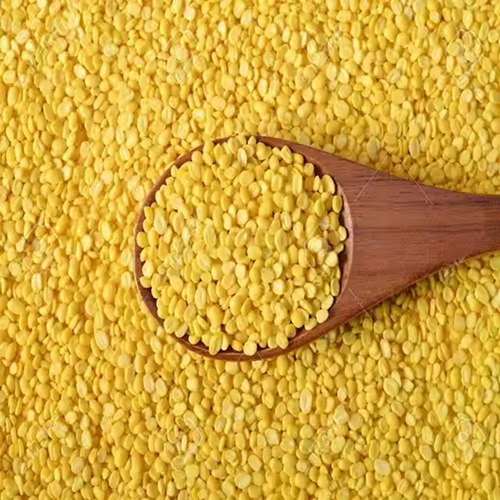
- High in Protein – Supports muscle growth, tissue repair, and overall health.
- Rich in Dietary Fiber – Promotes digestive health and prevents constipation.
- Supports Heart Health – Helps maintain cholesterol and blood pressure levels.
- Blood Sugar Regulation – Low glycemic index makes it suitable for diabetics.
- Weight Management – Fiber and protein increase satiety, reducing overeating.
Yellow Moong Dal is a versatile, wholesome ingredient that combines nutrition and taste, making it an essential part of a healthy and balanced diet.
Its light nature and easy digestibility make it suitable for people recovering from illness or those with weaker digestive systems. Unlike heavier lentils, Yellow Moong Dal does not cause bloating or discomfort, and it can be paired with spices, vegetables, or ghee to enhance flavor and nutrient absorption.
In traditional medicine, Yellow Moong Dal has been valued for its balancing properties, particularly in Ayurvedic diets. It is considered sattvic, meaning it promotes clarity, calmness, and vitality. Its mild, cooling effect helps balance pitta and vata doshas, making it suitable for daily consumption as part of a holistic, health-promoting diet.
Dietary fiber is another key benefit of Yellow Moong Dal. Fiber aids digestion, prevents constipation, and promotes a healthy gut microbiome. It also helps regulate blood sugar levels by slowing down the absorption of carbohydrates, making it an excellent choice for individuals managing diabetes. Additionally, the fiber content supports weight management by promoting a feeling of fullness and reducing unnecessary snacking.